
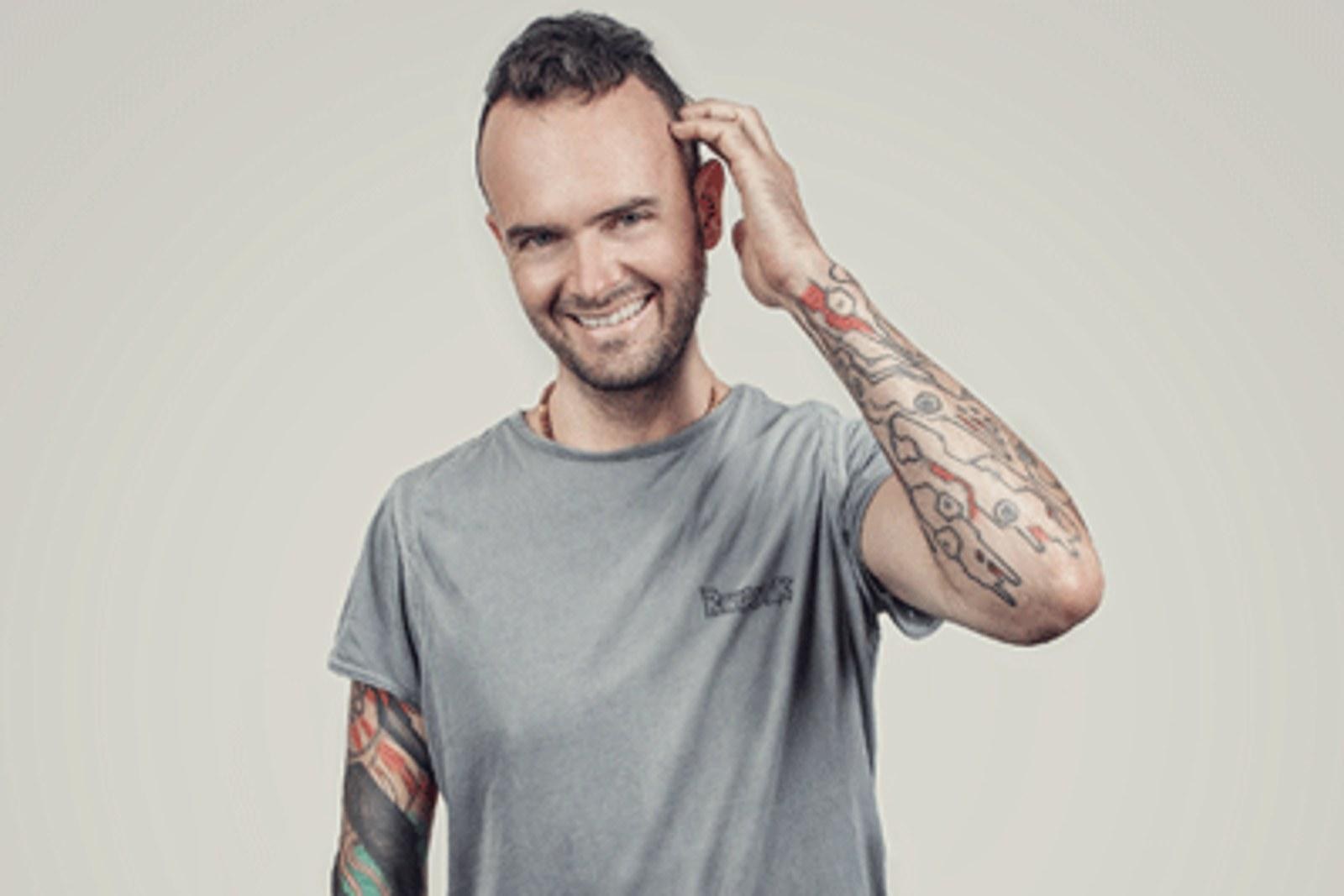
The story behind Protonica
Protonica began in Berlin in the early 2000s when Piet Kämpfer and Ralf Dietze joined forces after meeting through the German trance scene. Kämpfer brought a strong melodic and compositional instinct, while Dietze contributed a background in DJ culture, groove and sound design. Together they shaped a polished progressive-psytrance sound that became increasingly recognisable during the second half of the decade.
The debut album Search appeared in 2007, followed by releases such as the Refresh / Northern Storm EP and the 2012 album Form Follows Function. Protonica’s production stood out for its clarity: driving bass, large melodic structures and detailed sound design without the clutter of more aggressive psytrance. That combination made the project a consistent presence at major festivals and on progressive-trance charts.
The lineup later changed, with Kämpfer continuing Protonica alone after he and Dietze ended their long production partnership. That distinction matters when describing the current project: Protonica is no longer an active duo even though the duo years remain central to its history. Kämpfer continues the name while also working in melodic techno and sound design, keeping Protonica connected to contemporary progressive electronic music instead of treating it as a closed catalogue.
Origins of Protonica
Piet Kämpfer and Ralf Dietze began creating music together in 2003; their own 2019 interview says they gave the project the name Protonica in 2004. Waldorf describes the project as co-founded in 2003.
The early years
The debut album Search appeared on AP Records in May 2007. The project developed within the European progressive Psytrance movement, combining melodic writing and polished studio production with psychedelic trance structures.
How the career developed
Form Follows Function (2012) became the key second-album milestone and strengthened Protonica’s association with Progressive Psytrance. Symmetry (2019) broadened the project’s collaborative network. Ralf Dietze departed around 2023; Kämpfer continues Protonica as a solo project while maintaining separate melodic-house/techno work under his own name.
Protonica sound
Melodic, driving Progressive Psytrance with warm low-end, clean production and carefully built harmonic tension. The project has always balanced psychedelic detail with the accessibility and spaciousness of progressive trance.
Place in psytrance history
Protonica is an important representative of the second major generation of Progressive Psytrance: after early Swedish pioneers such as Atmos and Vibrasphere, the project helped consolidate a more polished, melodic and internationally festival-oriented version of the style in the late 2000s and 2010s.
Connections and influence
Useful bridge between early European progressive Psytrance and later artists such as Liquid Soul, Ace Ventura and Zen Mechanics.
Protonica today
Active and solo-led by Piet Kämpfer in 2026. The Protonica website promotes Lucidity with Lostly and maintains booking information; Lucidity is jointly credited , not a Protonica-only release.
How the sound changed over time
Selected releases in the archive
Festival connections
Ozora Festival
O.Z.O.R.A. is a Hungarian psychedelic gathering at Dádpuszta whose modern festival history began in 2004 after the site's landmark Solipse solar-eclipse celebration in 1999.
Related projects and collaborations
Artists with overlapping styles
Egorythmia
Skopje producer Boban Lazovski’s progressive-psytrance project, known for combining dark melodic tension with house and techno-influenced groove.
Liquid Ace
Progressive Psytrance collaboration of Ace Ventura (Yoni Oshrat) and Liquid Soul (Nicola Capobianco), active intermittently since their first joint work in 2006.
Ritmo
Dubi Dagan’s Israeli Progressive Psytrance project, known for polished groove, melodic detail and a long association with IONO and Iboga.
Ace Ventura
Yoni Oshrat’s Israeli Psytrance project, combining progressive groove, psychedelic detail and long-form DJ storytelling across a wide network of collaborations.
Captain Hook
Reshef Harari’s Israeli Psytrance project, known for deep hypnotic arrangements, analogue-minded production and a deliberate crossover between psychedelic trance and techno.
Freedom Fighters
Shahaf Efrat’s Israeli psychedelic project, blending Progressive Psytrance with darker, techno-influenced and experimental directions.