
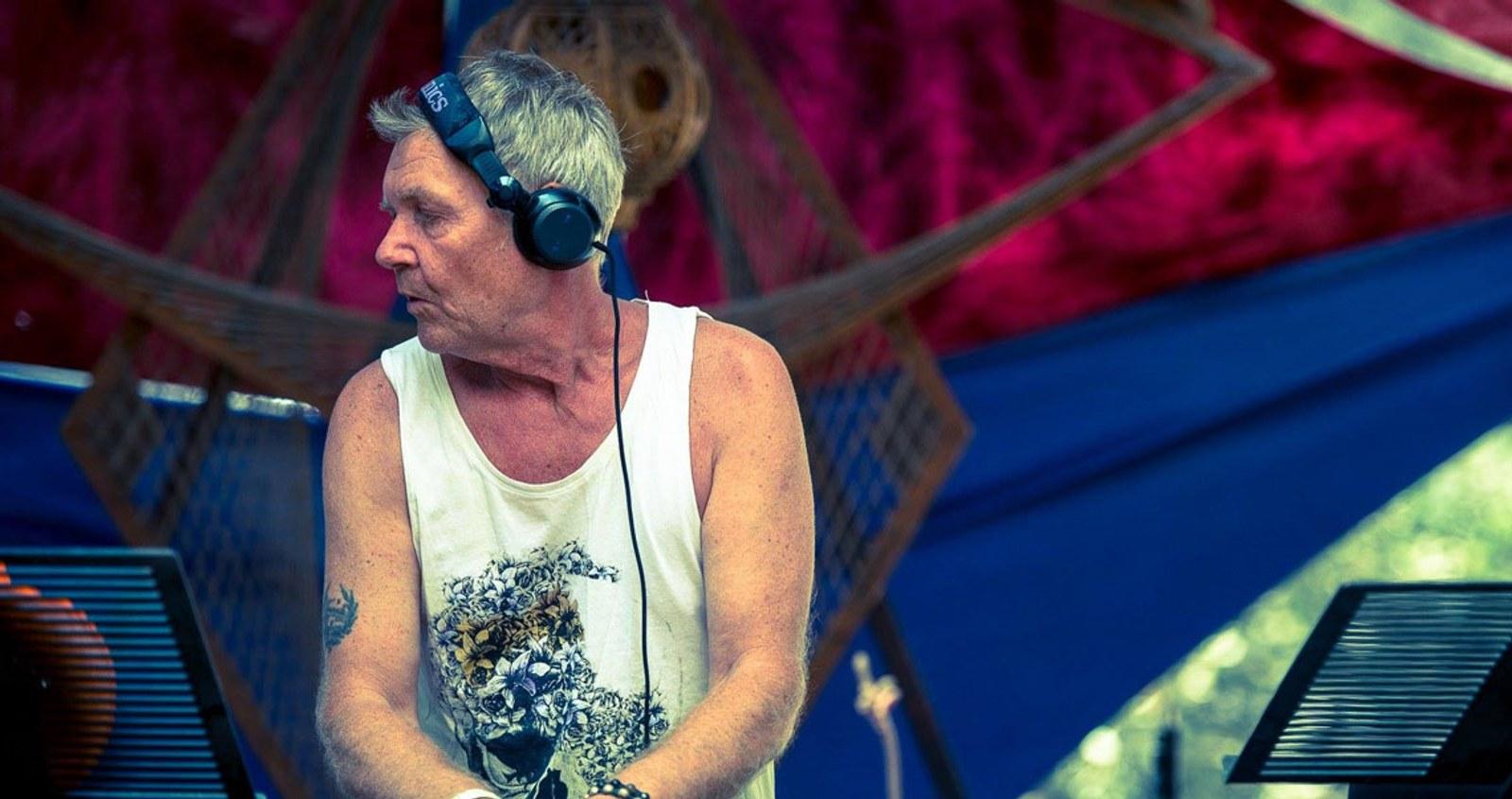
The story behind Koxbox
Koxbox emerged in Copenhagen from the long musical partnership of Frank Madsen and Peter Candy. The pair had known each other since their rock-band years and moved toward electronic production as techno and trance developed at the end of the 1980s and beginning of the 1990s. Early Koxbox releases for WTP and Harthouse placed them among the European acts exploring a stranger, more psychedelic form of trance before the sound had settled into a fixed genre vocabulary.
The 1995 album Forever After was made with important studio input from Ian Ion, who became a key part of the project. Dragon Tales in 1997, released during the Blue Room period, pushed the music into highly detailed, elastic and futuristic territory and became one of the group’s defining records. Peter Candy left around the end of the decade; later Koxbox configurations centred on Madsen and Ion, including the 2006 album U-Turn, while related work also appeared through projects such as Psychopod and Saiko-Pod.
In the modern era Koxbox is principally associated with Frank Madsen, who has continued performing the repertoire and presenting the project as an active live identity. The changing lineup is essential to the story: the classic catalogue was created by overlapping configurations rather than by one unchanging solo act, while the present-day project is led by Madsen.
Origins of Koxbox
Founded by Frank Kiehn Madsen and Peter Frellesen/Peter Candy. The precise formation year remains uncertain, with accounts ranging from late-1980s roots to around 1990.
The early years
Early singles and the Harthouse relationship placed Koxbox in the formative European Goa/psychedelic-trance network.
How the career developed
Ian Ion became increasingly central; later albums moved through experimental, funkier and techno-influenced Psytrance. Franke Madsen continues the project.
Koxbox sound
Koxbox developed from early techno and trance into a distinctly psychedelic sound built from elastic bass movement, unusual samples, dense effects and constantly shifting rhythmic detail. The classic records often feel more experimental and less formulaic than later standardised Psytrance production.
Place in psytrance history
Important Scandinavian project in the transition from early European psychedelic techno/trance into mature Goa Trance and later techno-influenced Psytrance.
Connections and influence
Notable for repeatedly reinventing its production style instead of repeating one classic-Goa formula.
Koxbox today
Active as a Frank Madsen-led project; classic-era lineup history should be kept distinct from the present configuration.
How the sound changed over time
Selected releases in the archive
Festival connections
VooV Experience
VooV Experience is a German Goa and Psytrance institution founded in 1991, widely regarded as one of Europe’s foundational dedicated Goa-festival lineages.
Related projects and collaborations
Artists with overlapping styles
X-Dream
German duo Marcus Maichel and Jan Müller, pioneers of a harder, stripped and techno-influenced direction that helped reshape Psytrance at the end of the 1990s.
Doof
British producer Nick Barber’s Goa Trance project, closely connected to the formative TIP, Dragonfly and Twisted networks of the 1990s.
Etnica
Italian Goa Trance pioneers whose original Milan quartet helped define the dense, melodic and futuristic psychedelic sound of the mid-1990s.
The Delta
German project led by X-Dream’s Marcus Maichel, with major early contributions from Arne Schaffhausen and Wayan Raabe, central to the darker techno-driven edge of Psytrance.
The Infinity Project
Early British electronic project centred on Raja Ram and Graham Wood, foundational to the emergence of UK Goa Trance and the creation of TIP Records.
Total Eclipse
Foundational French Goa/Psytrance project formed by Stéphane Holweck, Serge Souque and Loïc Vanpoucke, now continued by Holweck with Marios Trivyzas.